Search by Support Category: uOS
As part of the ongoing evolution of the HDA platform, MHUB and MZMA devices are transitioning to uOS Core.
At a Glance
- MHUB and MZMA devices now run uOS Core — a streamlined OS focused on switching performance and cloud connectivity.
- The full uOS platform is now called uOS Studio and runs on the uControl Processor.
- uOS on MHUB/MZMA is discontinued as of 11 August.
- From 11 March 2026, existing systems will only receive small stability and security updates.
- If you want to add new uOS features or integrations, you will need a device that runs uOS Studio (such as a uControl Processor).
- If your system is working well today, there is nothing you need to do.
This update simplifies the role of MHUB devices, allowing them to focus entirely on what they do best: reliable switching, distribution, and secure cloud connectivity. At the same time, the full automation and integration capabilities of the platform are moving to uOS Studio, running on the uControl Zone/Connect Processor.
This architecture reflects how most professional installations are already designed — with a dedicated controller managing the system and distribution hardware handling switching.
The result is a more stable, scalable, and future-proof platform for both integrators and end users.
What this means for existing systems
If your MHUB or MZMA system is currently working well, there is nothing you need to do. Your system will continue to operate normally.
However, the way new features and system expansion will be delivered is changing.
| Topic | What’s Changing | What It Means For You |
|---|---|---|
| Operating System on MHUB / MZMA | MHUB and MZMA devices now run uOS Core, a streamlined version of uOS focused on switching and connectivity. | This improves reliability and simplifies setup, particularly when using third-party control systems. |
| Full uOS Feature Set | The full uOS platform is now called uOS Studio and runs on the uControl Processor. | Advanced automation features such as sequences, scenes and integrations are now handled by a dedicated controller. |
| Support for uOS on MHUB | uOS running directly on MHUB and MZMA devices is now discontinued as of 11 August. | Existing systems will continue to operate, but new platform development will focus on uOS Studio. |
| Future Software Updates | From 11 March 2026, uOS on MHUB/MZMA will only receive small stability and security patches. | No new features will be added to MHUB-based uOS systems. |
| Expanding or Upgrading Your System | To continue adding new uOS features, systems must include a device that runs uOS Studio. | This typically means adding a uControl Processor to your system. |
| System Architecture | Systems using uOS Studio operate as a stacked system. | The uControl Processor becomes the system controller, while MHUB handles video distribution. |
Do I need to upgrade?
If you are happy with your current system and it is performing well, there is nothing you need to do.
Your MHUB or uControl system will continue to operate normally.
You may want to consider upgrading if you plan to:
- Add new integrations or automation features
- Expand your system with additional rooms or devices
- Take advantage of future uOS platform developments
In these cases, adding a uControl Processor running uOS Studio will unlock the full feature set.
When upgrading, your system will need to be reset and configured as a stacked system, where the uControl Processor manages the MHUB and any other HDA devices.
Need help or more information?
In these cases, adding a uControl Processor running uOS Studio will unlock the full feature set.
When upgrading, your system will need to be reset and configured as a stacked system, where the uControl Processor manages the MHUB and any other HDA devices.
With uOS 11.08 support for ADB control of android devices is now included.
Supported Devices
- Amazon FireTV
- Nvidia Shield
- Android/Google Powered TV’s
To enable ADB control, ensure the device you want to control is powered on and awake. You will need to know the device’s IP address.
Step 1 – Enabling Developer Options
To be able to use ADB control you will need to enable Developer Mode.
For Amazon devices, follow the instructions here – Enabling Developer Tools
For other devices -
- Open the menu and go to Device Preferences > About.
- Scroll down until Build is highlighted, then tap ok several times. You will get an onscreen message that developer mode has been enabled.
- Click back, scroll to the bottom of the menu you will see { } Developer Options.
- Open the menu and enable developer options
- Scroll down to Enable network debugging
Step 2 – Installing the ADB pack.
In the example below we will install the pack for FireTV.
2a – Select the pack
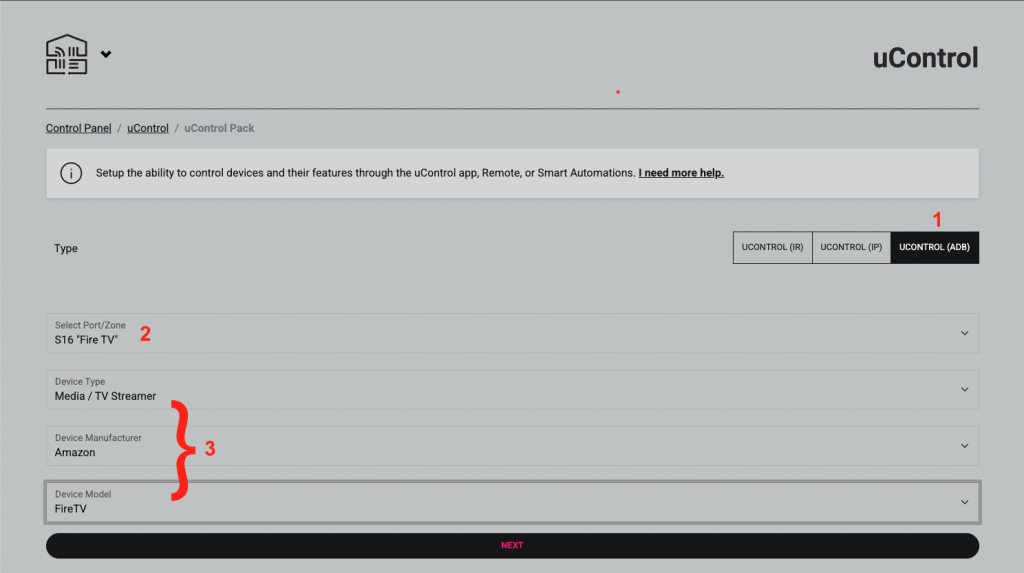
- Select uControl (ADB)
- Select the port or zone when the pack will be installed
- Select the device
2b – Test and confirm installation
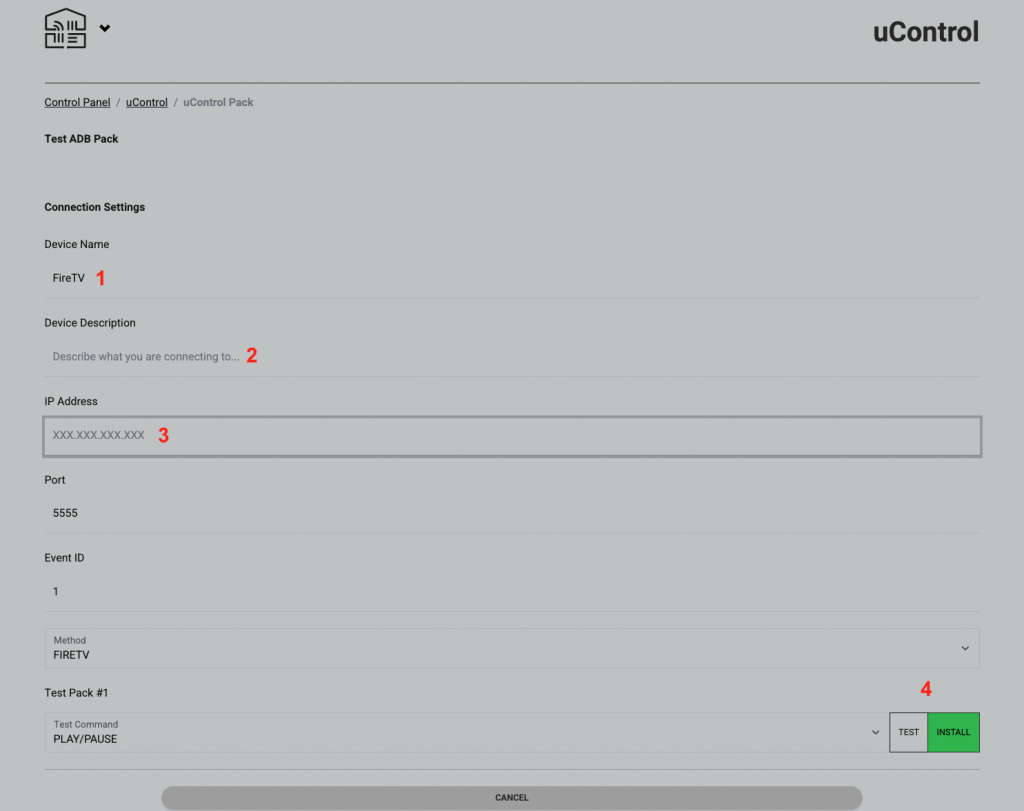
- Use the default name or enter a custom one. This will be displayed on the uControl app and remote
- Describe what you are connecting to, this field is not compulsary to install the pack
- Enter the IP address in the fireTV in the format
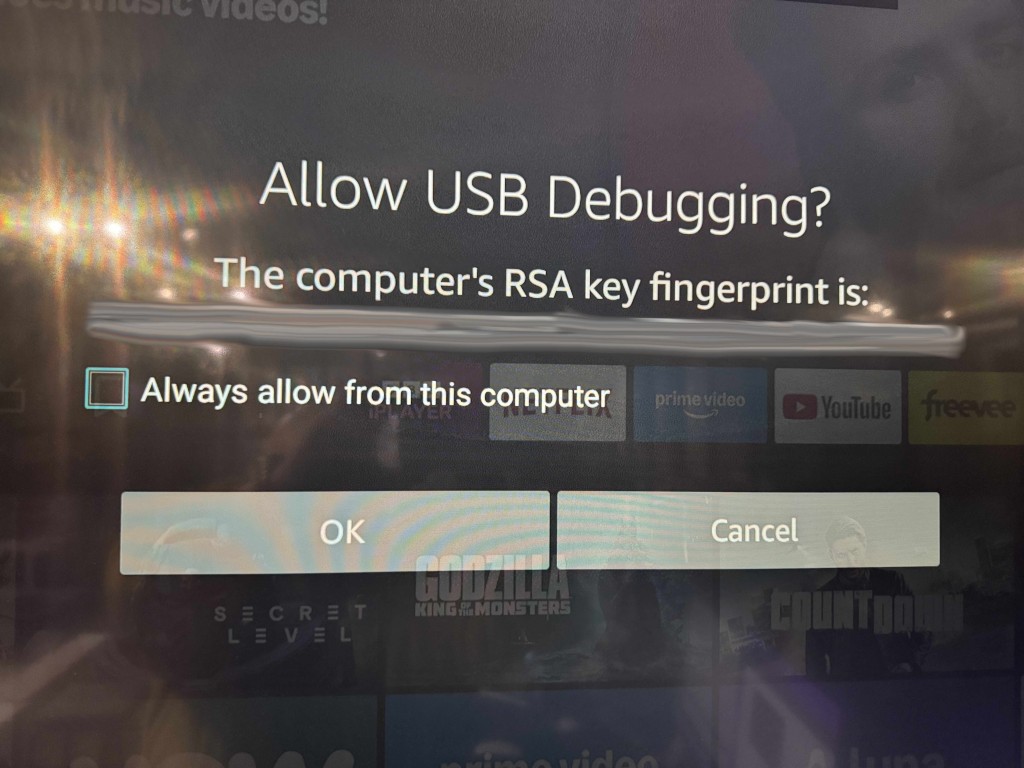
xxx.xxx.xxx.xxxFor example, 192.168.0.25. - IMPORTANT – the first time to connect to the device you will get an onscreen message like the one shown below. Please select always allow then click ok.
- Once tested, click install and the pack is ready to use

Please read this first before updating your system:
This guide will assist you with updating your MHUB, MZMA or Zone Processor to uControl OS (uOS) 11.
The update will enable support for both the new uControl App and the uControl Remote which can be configured after completing the steps in this support post.
It is strongly recommended that you read this guide carefully before you start the update process.
15 minutes (approximately). Difficulty: Easy.
What this guide will cover:
Before you start the update, check that:
- Your HDA controller is currently running uOS (10.XX)
- You have uControl 2016 app installed
- Your HDA controller and uControl 2016 app have access to the Internet
- All HDA devices and uControl 2016 app are visible on your network.
- A note of all HDA device IPs on your network, or the ability to scan for them using an app like Fing.
- IMPORTANT:Once your system has updated, uOS will need some additional configuration applied before the new uControl app or uControl Remote will start to work.
STACKED SYSTEMS:
It is recommended that every device in your stacked system is updated to uOS 11. Start by updating your master controller, followed by each MHUB or MZMA in your stack. If parts of your stacked system feature older MHUB’s or MHUB Audio systems running MHUB-OS then you will not need to update these.
1. Load uControl 2016 app to start the update process.
Load the uControl 2016 app and follow the instructions in this guide to update your system(s). Ensure that you complete this process for all HDA devices which can be upgraded to uOS 11 (see checklist above). Please note that any MHUB operating on MHUB-OS (black background colour) can not be updated to uOS 11.
2. Check that your HDA system has updated to uOS 11.
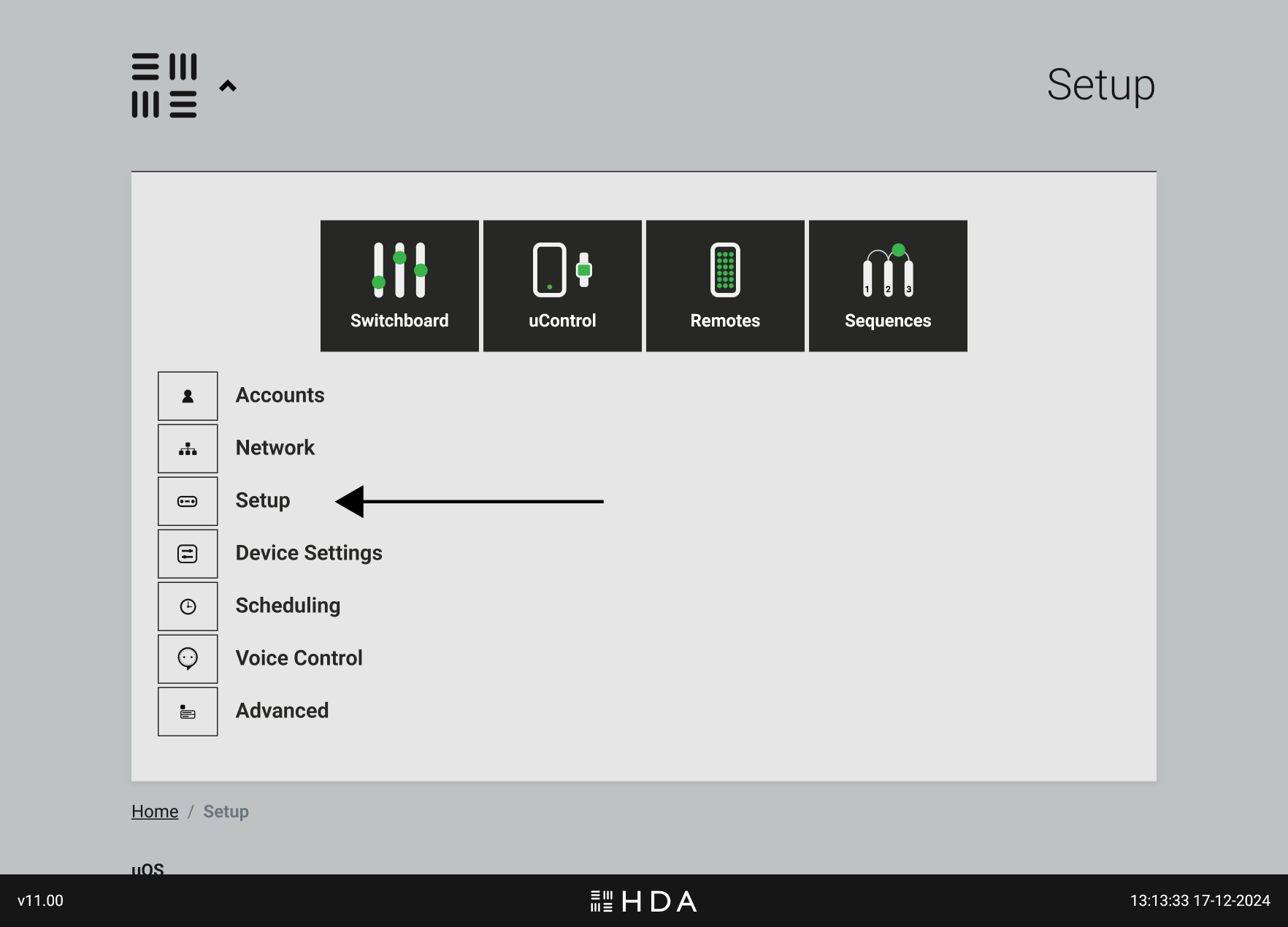
After the update completes, check uOS to confirm that it is running uOS 11 which can be done by visiting the IP address of your HDA device. Repeat this step for each HDA device on your network if you are operating a stacked system.
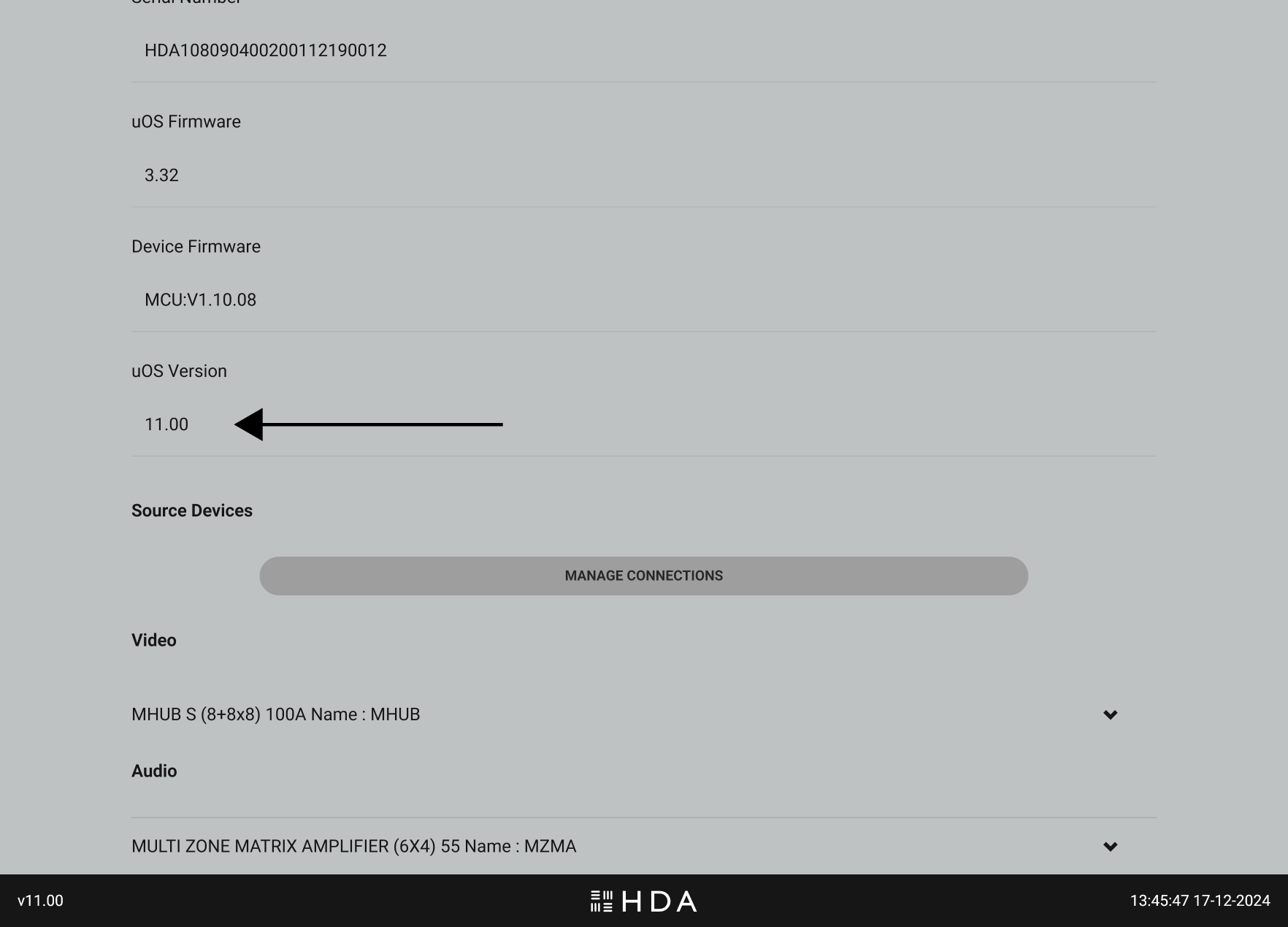
If you are using a control system (Crestron, Control4, Savant, URC etc) then you’re complete at this stage. If you plan to use a HDA interface like uControl Remote or uControl app to control your system then continue to Step 3 below.
3. You’re almost there! Prepare uOS for uControl app and uControl Remote.
You need to make two small changes in uOS to make ensure that the new uControl app or uControl Remote will work when you are ready to configure them.
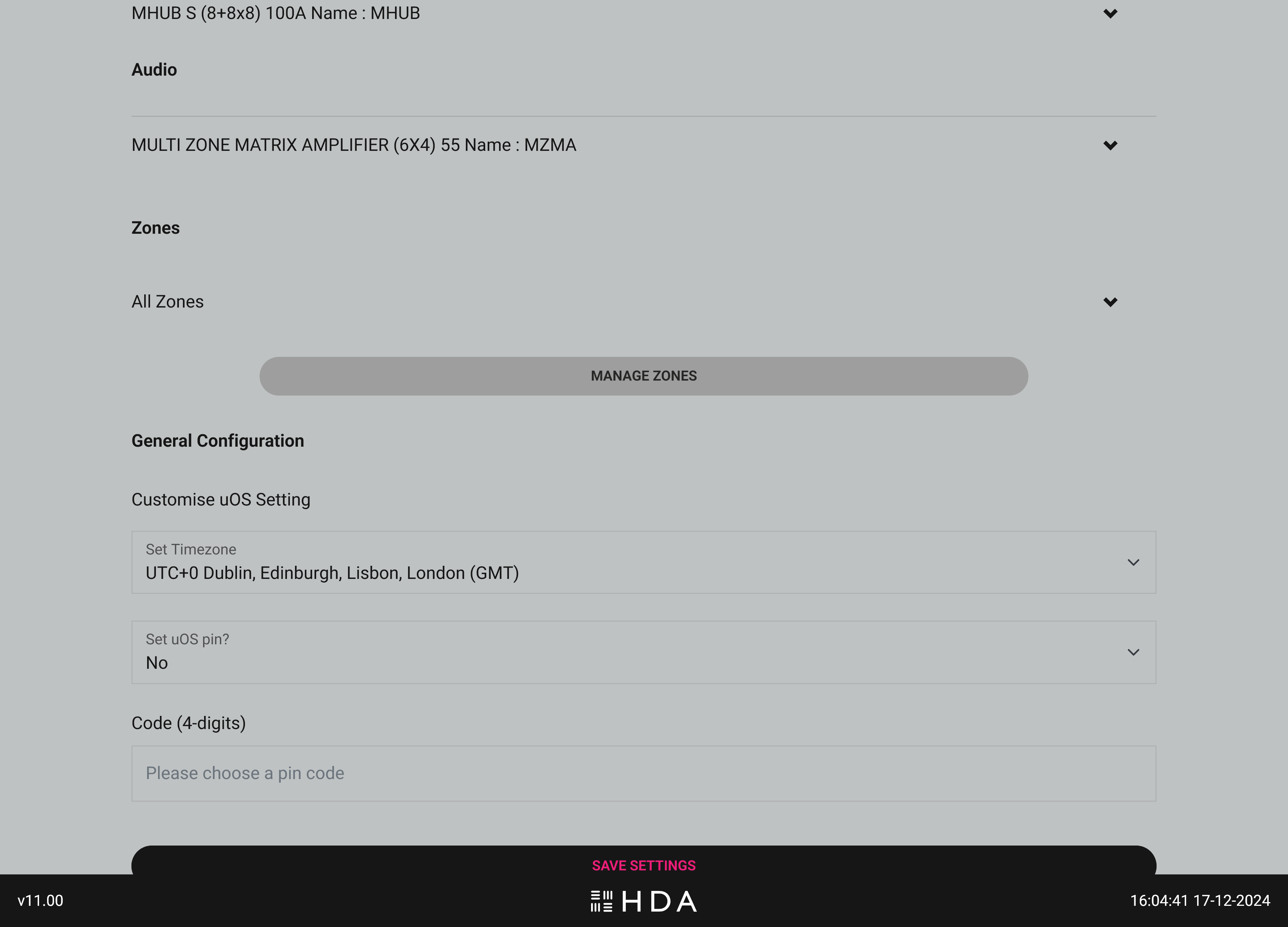
Return back to the uOS “Setup” page and scroll down until you see the “Manage Zones” button, then select it.
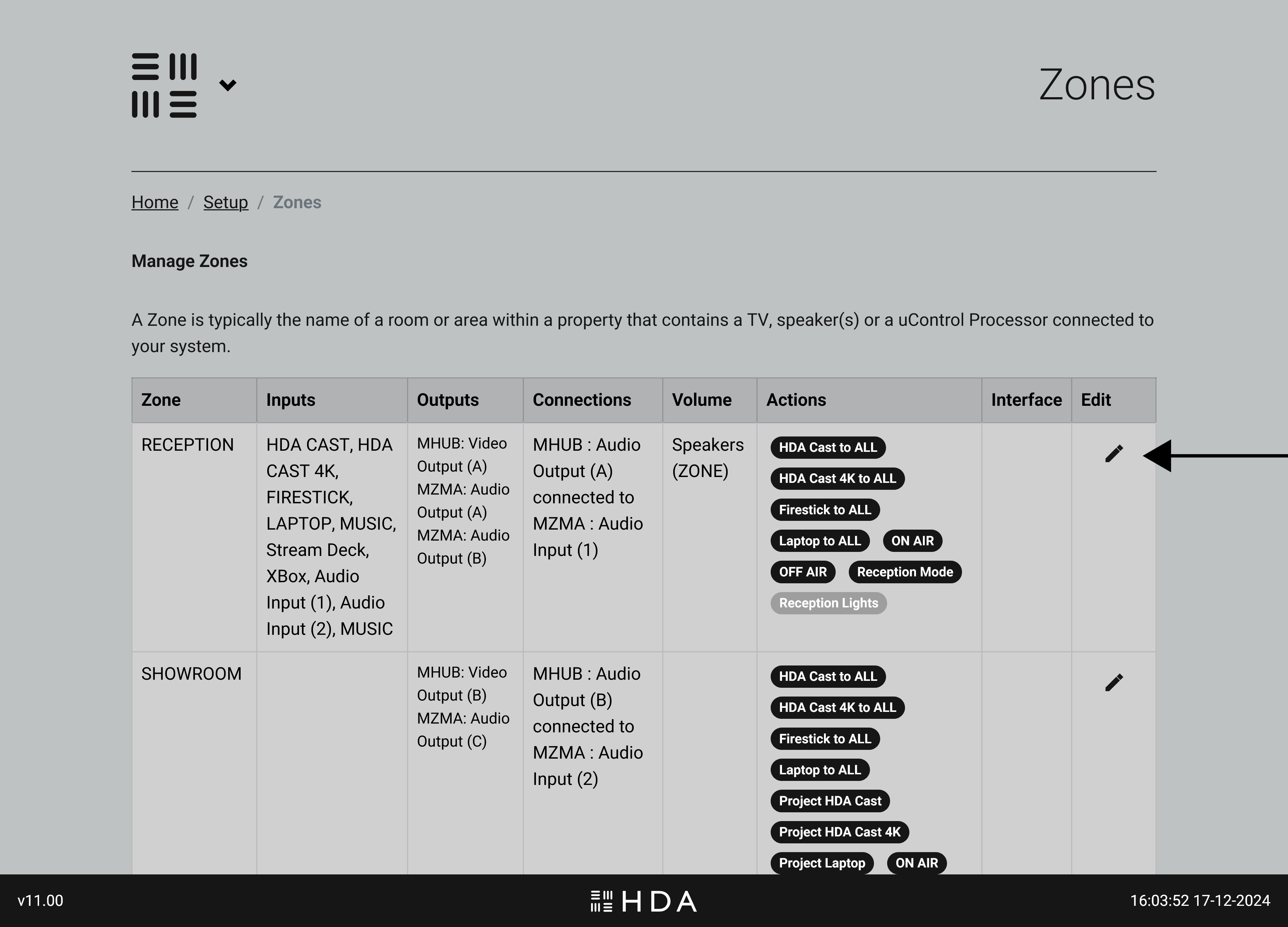
A page will load with a table that lists all the Zones you have defined in uOS. Select the Zone that you wish to edit by tapping on the edit button (pencil icon)
You will now see all information pertaining to that particular zone, you will need to make two small changes for every zone in your system..
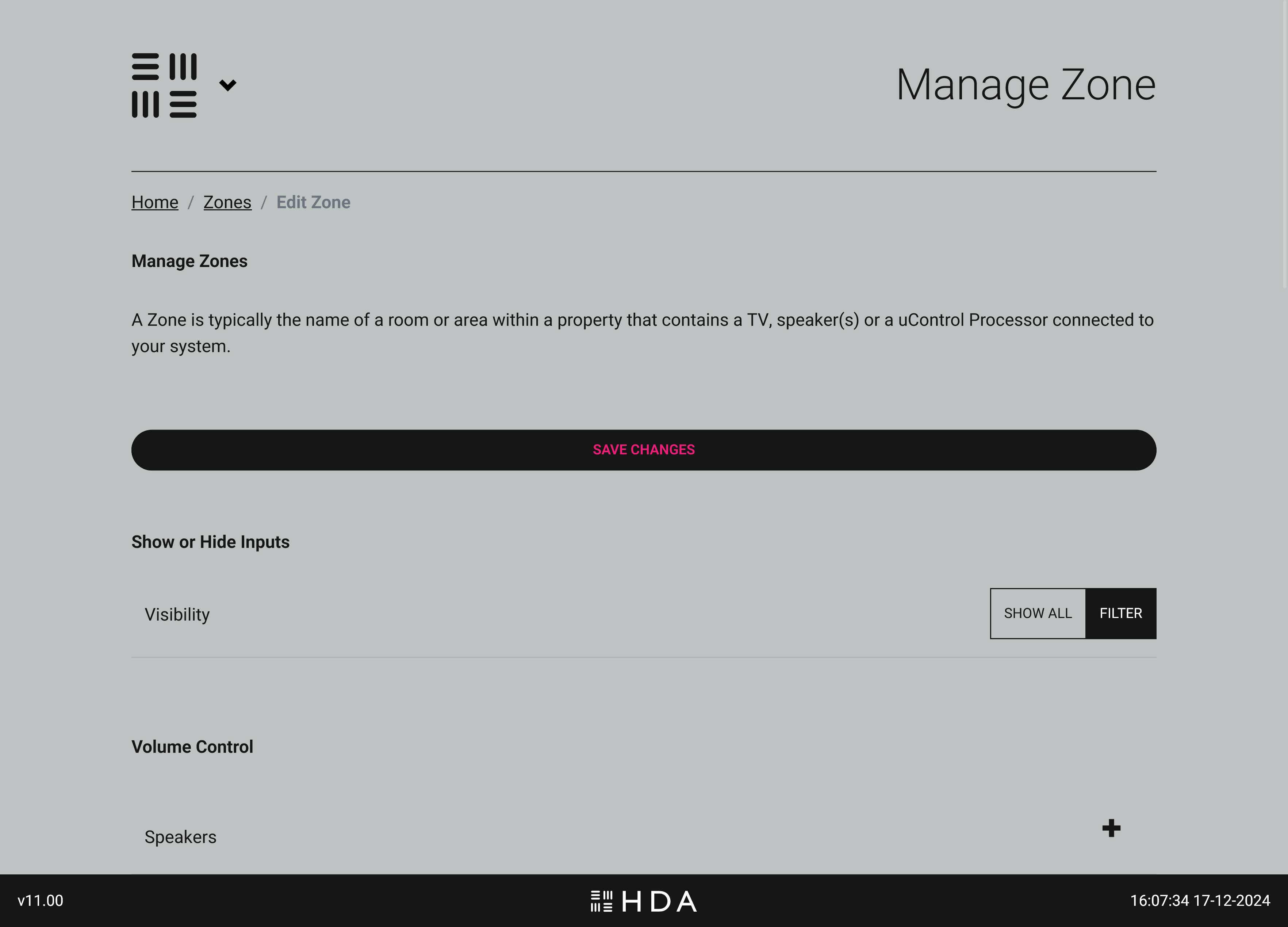
Change #1: Choose your video & audio source visibility.
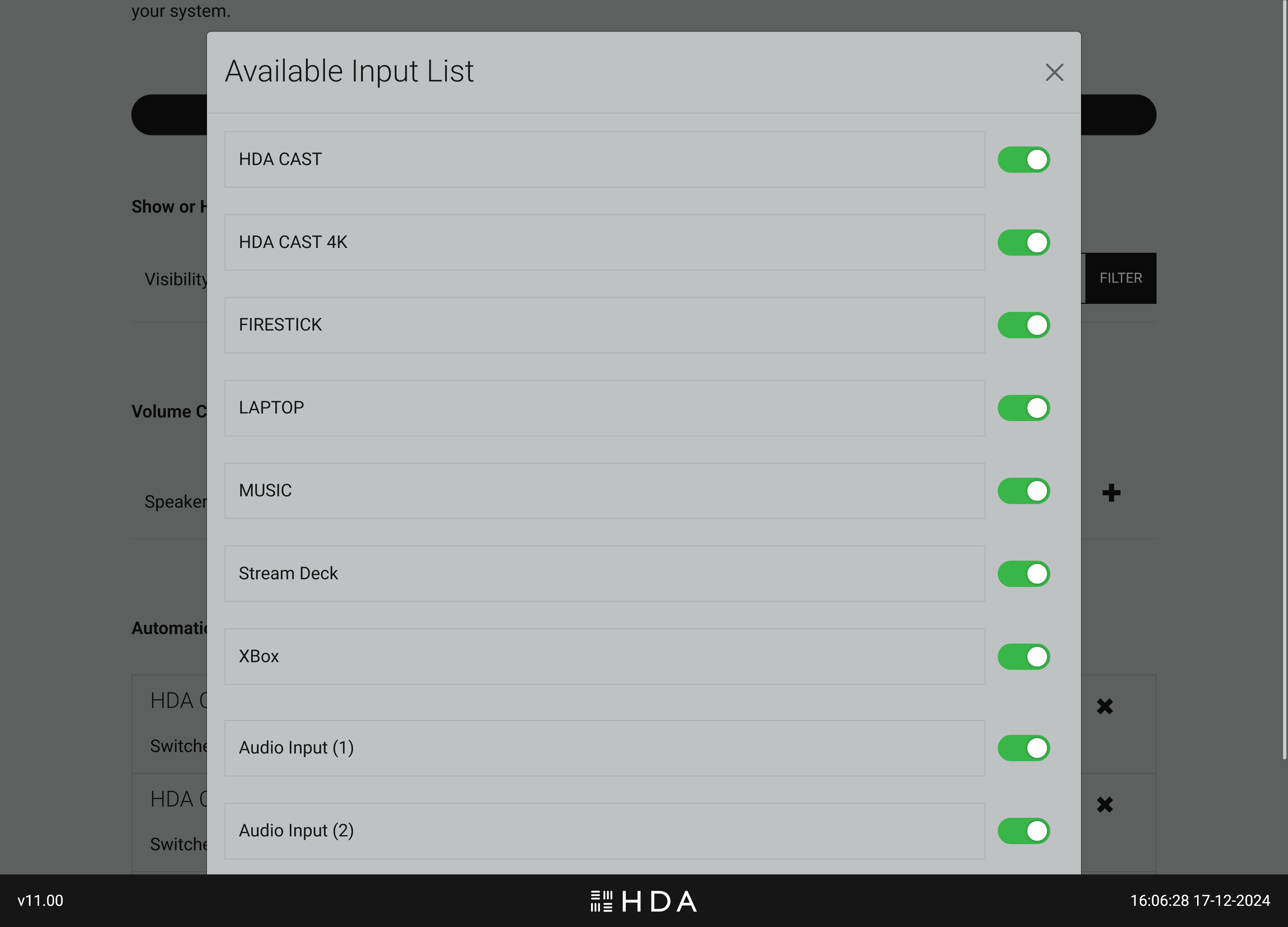
uOS 11 gives you the ability to show or hide any input that is connected to your HDA system. You can choose to show all inputs or filter them so that only AV inputs you select are visible in that zone. If you’re unsure or in a rush you can choose “Select All” and edit this option later.
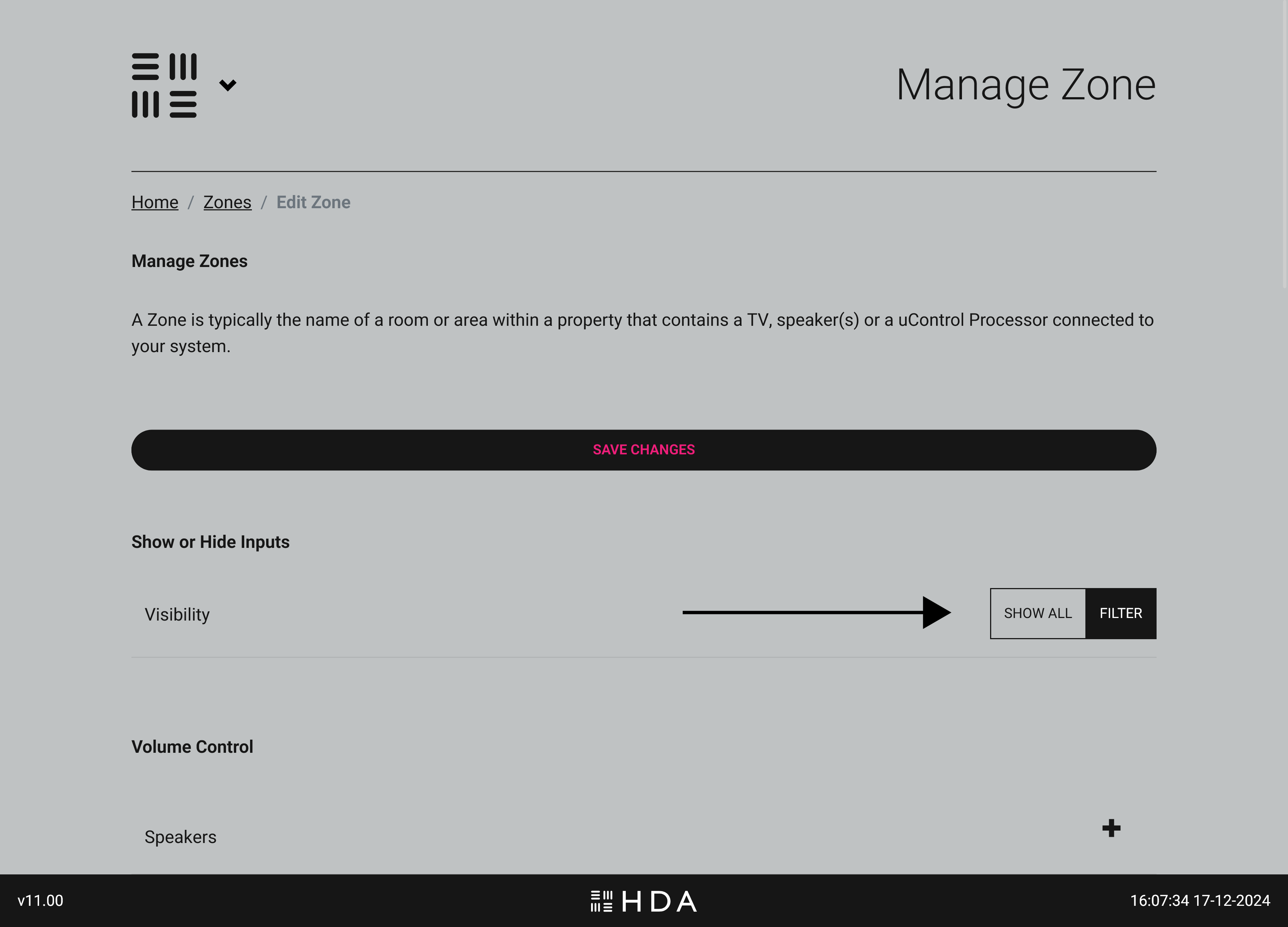
If you select “Filter” a list of all inputs that your HDA system is controlling will appear with a green coloured switch, here you can choose to turn that input on or off inside that zone.
Change #2: Set the default volume for every zone.
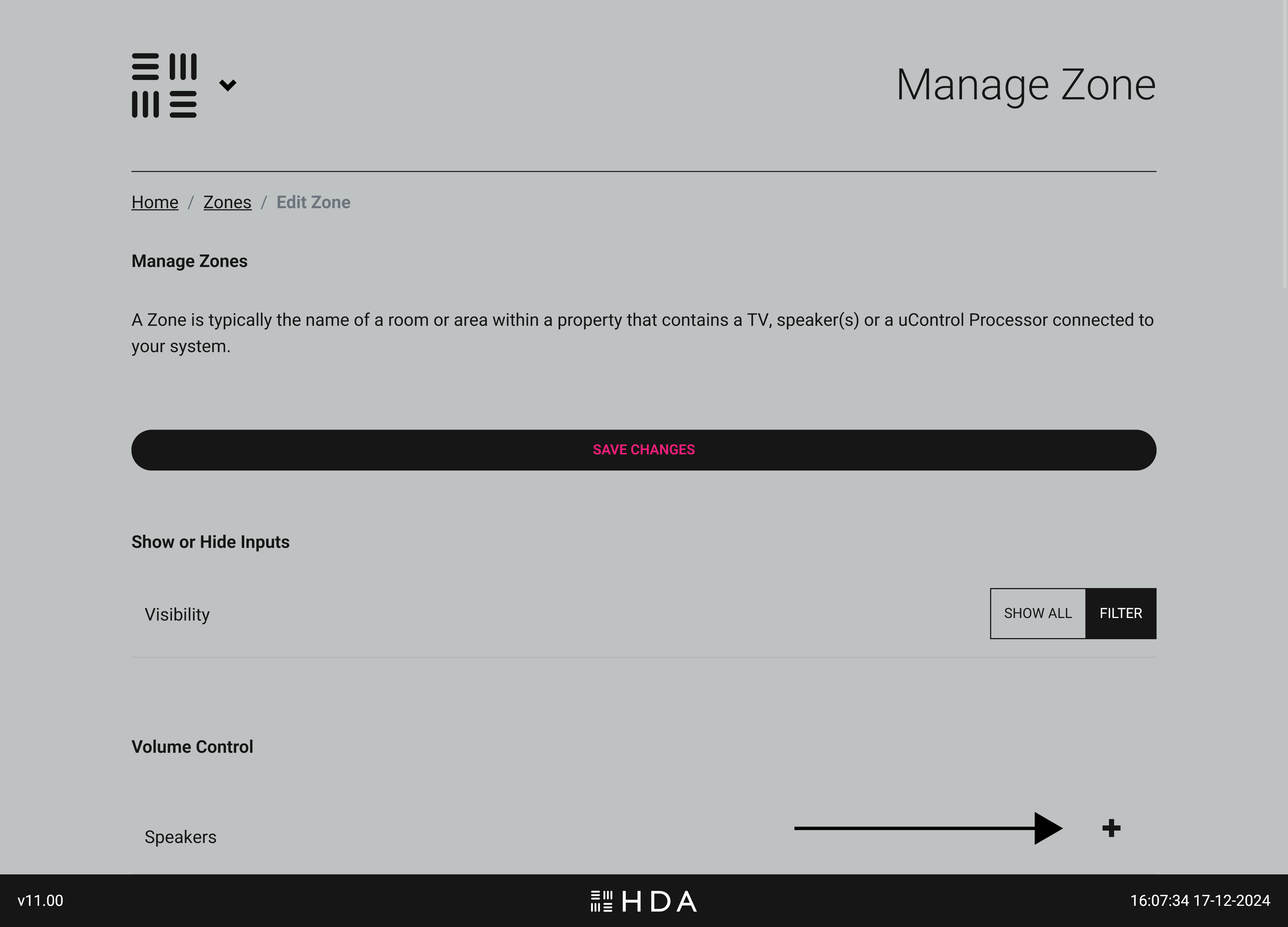
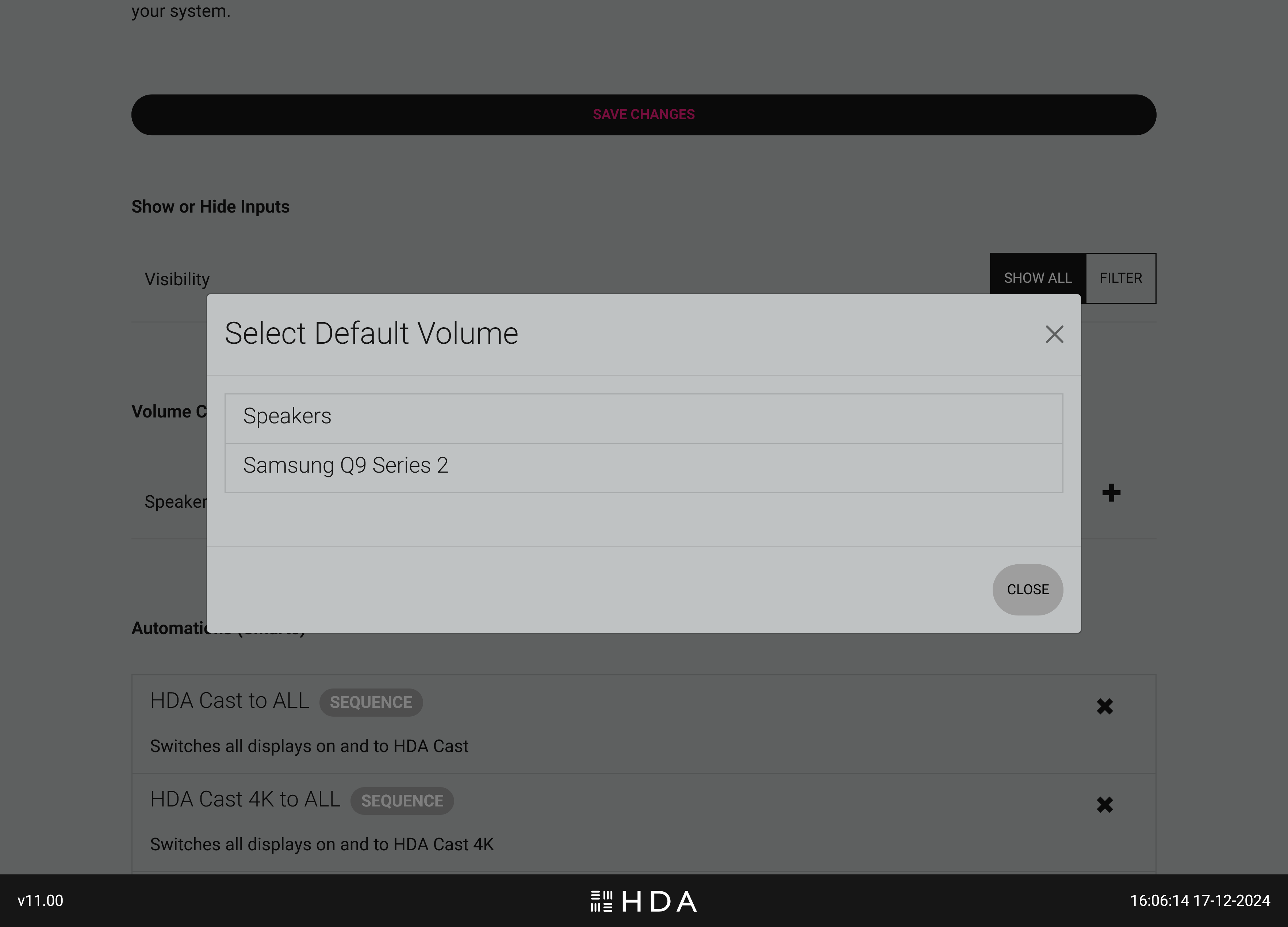
New to uOS 11 is a declaration of what device is controlling the volume. This is a new setting and will ensure that both uControl app and uControl Remote’s default volume keys are mapped to the device you choose here.
IMPORTANT:
You must repeat this step for every zone in your system if you wish to use the new uControl App or uControl Remote. If you fail to do this step uControl App will not work correctly and you may experience problems when configuring uControl Remote.
Your HDA system is now ready to use!
Congratulations, your HDA system is now updated and ready to work with the new uControl app and uControl Remote.